


In an era dominated by artificial intelligence (AI), where chatbots, virtual assistants, and predictive algorithms shape our daily interactions, one question emerges: Where does the humble phone call fit in? Surprisingly, the answer might signal a renaissance; a new golden age for voice communication.
The Paradox of Technology and Communication
Historically, technology has often eroded our interpersonal communication skills. Text messaging replaced nuanced conversations, social media condensed dialogue into likes and emojis, and arguably transformed the art of listening and speaking. Core human skills, had been atrophied as convenience took center stage.
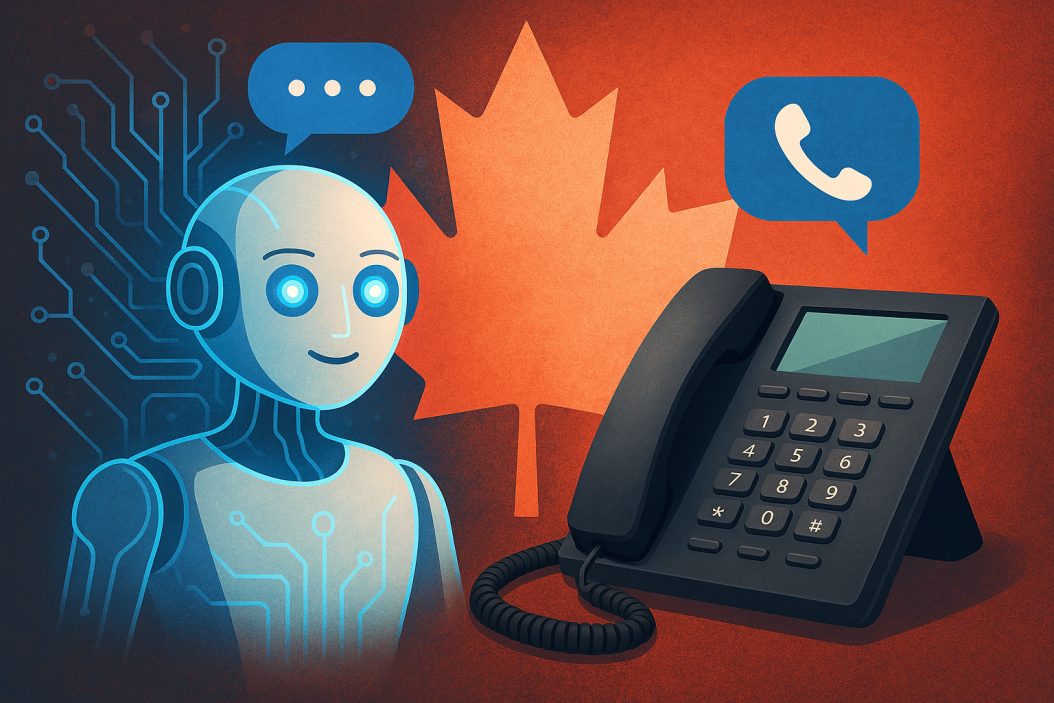
But AI technology introduces the possibility of a fascinating reversal. Instead of diminishing communication, it can enhance communication skills. How? By freeing us from repetitive tasks, AI gives us time to focus on meaningful conversations. It can coach us on tone, clarity, and empathy through real-time feedback. Imagine an AI assistant suggesting better phrasing during a call, or helping you prepare for a negotiation by analyzing sentiment patterns. Far from replacing human connection, AI can become its tutor.
Why Communication Skills Matter More Than Ever
In a world where machines handle the transactional, human value lies in the relational. Emotional intelligence, persuasion, and trust-building are irreplaceable. Businesses thrive on relationships, and relationships thrive on conversation—not just text, but voice calls. The warmth of a tone, the cadence of speech, the subtle pause; these are signals no emoji can replicate.
The Phone’s Comeback: A Golden Age of Voice
Enter the VoIP phone line. Services like VoIP Much exemplify this resurgence. They combine the reliability of traditional calls with the flexibility of modern tech, offering crystal-clear audio, global reach, and integration with digital tools. In an age of AI-driven efficiency, the phone call becomes a premium experience; deliberate, personal, and impactful.
Think of it this way: when everything else is automated, a real conversation becomes a luxury. A voice call signals effort and authenticity. It’s not just communication; it’s connection.
AI + Voice: The Perfect Partnership
AI can elevate voice communication in ways unimaginable a decade ago:
- Real-Time Language Translation; break barriers instantly.
- Sentiment Analysis; gauge emotions during calls for better outcomes.
- Smart Scheduling & Routing; ensure calls happen at the right time, with the right person.
- Training & Feedback; AI can help professionals refine tone, pacing, and clarity.
Rather than replacing the phone, AI makes it smarter, and makes us better communicators.
Conclusion
In times of AI, the phone isn’t obsolete; it’s poised for revival. As we lean into automation, the human voice becomes a differentiator; a signal of care and authenticity. With VoIP solutions leading the charge, we’re entering a golden age where technology doesn’t diminish communication but amplifies it. The question isn’t Where’s the phone in times of AI? It’s: the phone is ringing, are you ready to pick it up?